Did You Know: A 13th Century Law Gave Us the Baker's Dozen
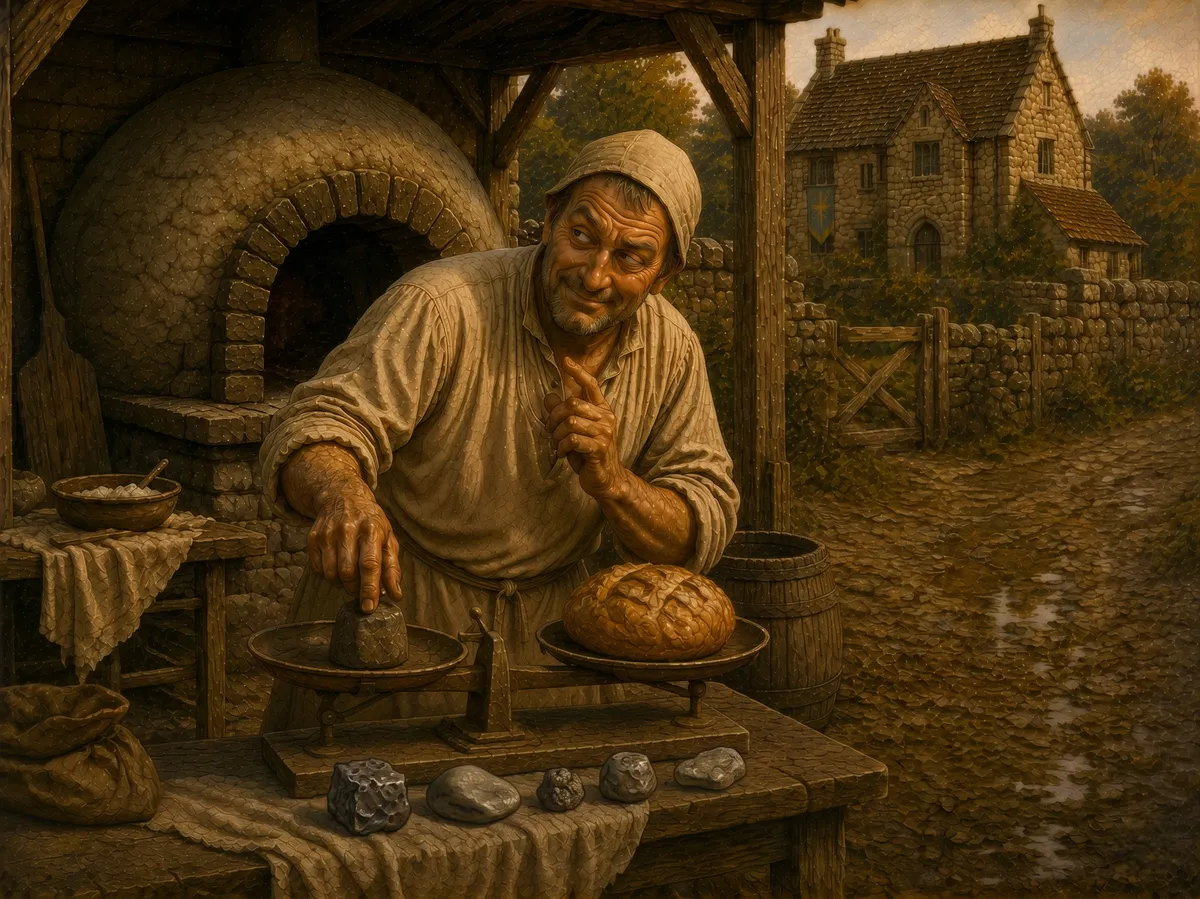
If you have ever wondered why a baker's dozen is thirteen and not twelve, the answer lies in a piece of medieval legislation that was, by any measure, extremely serious about bread.
The Law
In 1266, the Assize of Bread and Ale became the first food safety law in British history. It regulated the price, weight and quality of bread and ale sold in towns, villages and hamlets across England. This was not a gentle suggestion. It was law, enforced by local officials who conducted regular inspections, and the punishments for getting it wrong were very public and very unpleasant.
The Bakers' Dozen
Bakers who sold underweight loaves faced fines, destruction of their ovens, or the pillory. In one recorded case from 1327, offending bakers were paraded through the streets with slabs of dough tied around their necks, so that everyone knew exactly what they had done wrong.
Medieval bakers, being practical people, found a solution. Rather than risk the pillory, they began adding a thirteenth loaf to every order of twelve — the so-called "vantage loaf" — as insurance against any loaf being slightly underweight. If the total weight met the legal requirement, nobody ended up in the stocks.
This practice became so widespread that the phrase baker's dozen entered the language. Thirteen, not twelve. All because a medieval baker would rather give away a free loaf than explain himself to the authorities with dough around his neck.